


Growing up diving for abalone through the low-light kelp forests of Northern California with his father, Tanner Mansell was primed and molded for a life spent in the water, even if that’s not what he originally had in mind.
After Tanner graduated high school, he chose the more “traditional” route of college, graduating with a physics degree. He later was recruited to work for Intel in Oregon as an engineering technician with plans to continue his education and obtain his PhD.
“I quickly realized the corporate lifestyle is not what I’m meant to be doing,” Tanner said. “I immediately felt like my soul was being sucked away.”
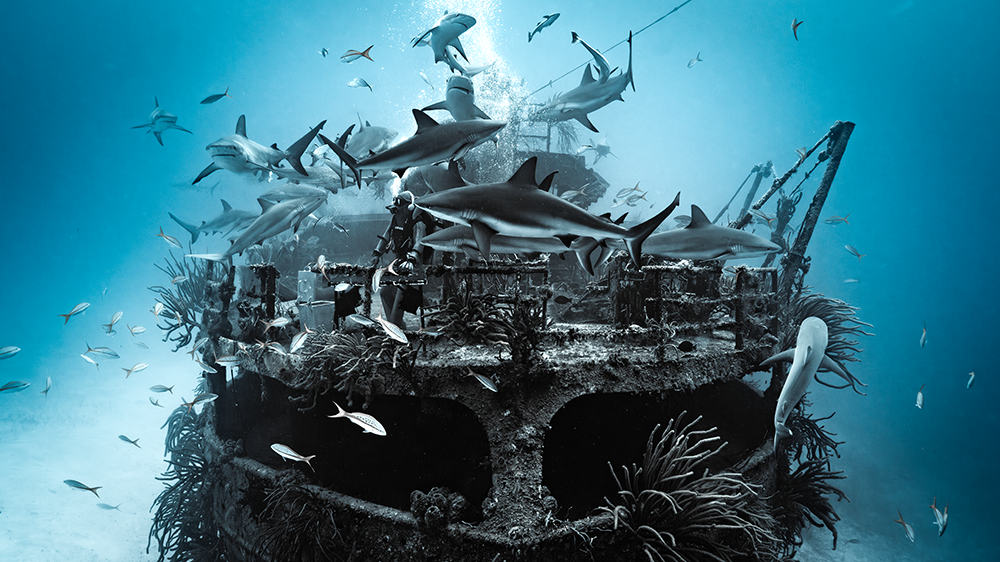
So, in order to fill the void, Tanner spent all his money and vacation time on diving trips around the world. While traveling to areas like Hawaii and the Red Sea, he became obsessed with underwater photography and capturing the moments that made him feel so alive. He invested in an underwater camera set up, and with each dive, his technique began to bloom.
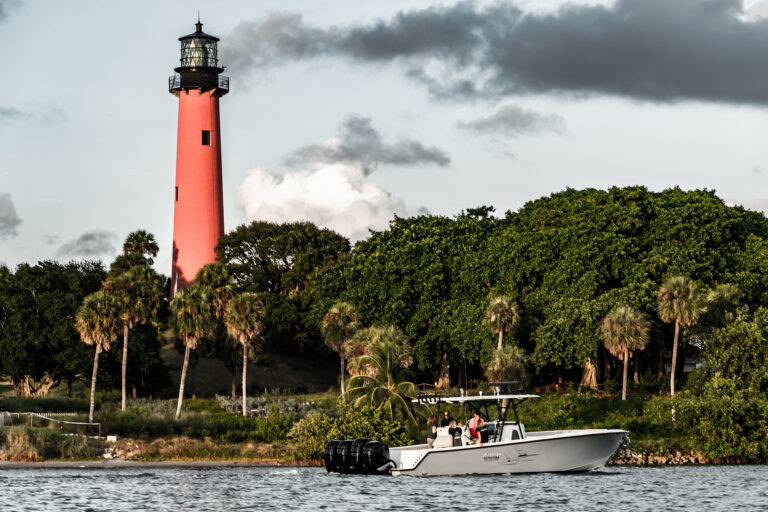
It was all beautiful, but nothing was the same after Tanner traveled to Jupiter for the first time.
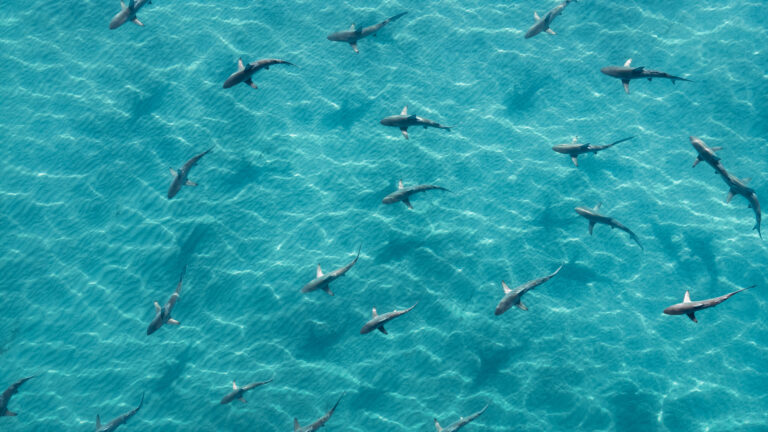
“I swam with about twelve bullsharks that day and got some insane photos. I realized life after that was never going to be the same,” he said. “I knew that I needed to work with the sharks in Florida.”
Tanner quit his job, moved to Florida, leased a car, rented an apartment, and landed a gig as a deckhand on a shark diving operation; calling it sheer determination, not luck. It was his love for being surrounded by nature that started this journey, but his ability to capture the moment, freeze it in time, and share it for the world to see was the spark that lit his passion.
“Being able to not only enjoy the moment, but to be able to capture that experience and share it with other people, it was like putting more gas on the fire,” Tanner said. “The combination of those two things ignited something in me I never felt before, and it drove an obsession to master that craft and do it for the rest of my life.”
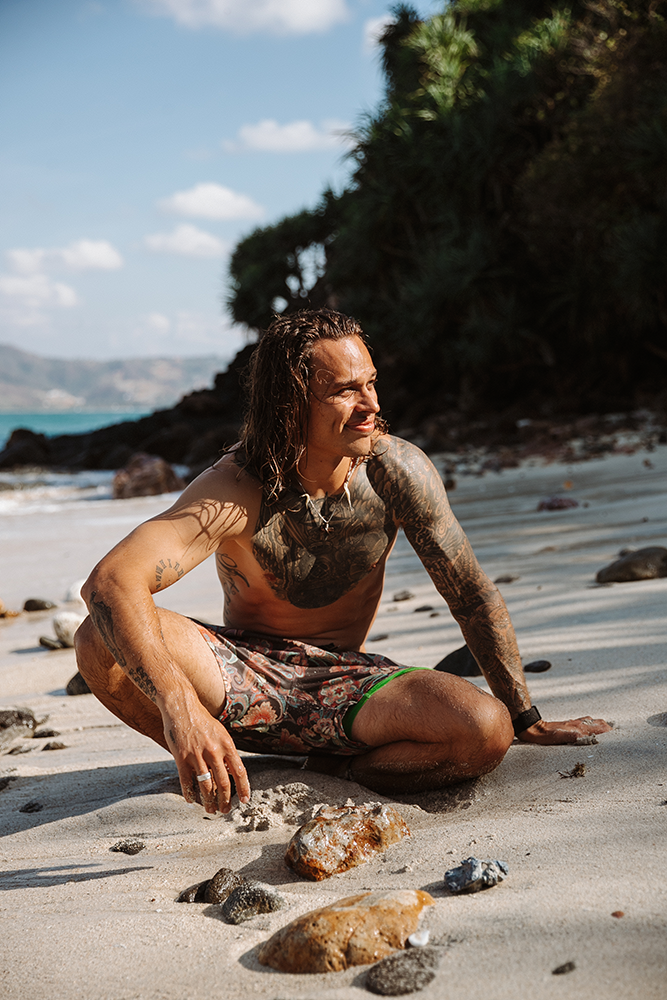
Tanner is the founder of Tanner Underwater, a shark diving expedition charter business operating mainly out of Jupiter. On top of his willingness (and insane talent) to hop in the water and snap shots of the oceans’ top apex predators, Tanner is a USCG licensed captain, master diver, and level three certified free diver. These licenses represent more than just a certification or bragging rights
– it represents time, experience, and knowledge in the water, something you need to capture the split-second but life-altering encounters with marine life.
“It really comes down to how much exposure you can get, not only to the world, but also repetition in the water with wildlife,” Tanner said. “For most people, you have to work in the ocean and get that exposure in repetition. It takes years.”
There are a lot of obvious differences between what Tanner calls “topside” (above water) photography and underwater photography. Things like buoyancy, ocean currents, stamina, anticipating what the wildlife is going to do, and being in the right spot at the right time, all takes skill in the water, not just skill with a camera.
Tanner shoots with a Sony A1 camera body with a 16-35mm lens, and uses his sponsor’s – Aquatica – underwater camera housings. He is one of the several photographers operating with his shark diving charter company, jumping in the water to capture the moments of his clients’ interacting with sharks – doing what he loves most. There was a time in his life where there were no photos, however.
In 2020, Tanner and John Moore, Captain on a shark-diving charter boat, spotted a buoy with a line, and initially thought it could be a lost diver. Investigating further, they realized it was a longline that was attached to sharks. When they called law enforcement, Florida Wildlife Commission (FWC) and National Oceanic and Atmospheric Administration (NOAA), neither organization had answers for Tanner and John.
“They didn’t know of any permits or anything like that at the time,” Tanner said, “We thought we were doing the ocean justice, and we might have even been discovering a crime or illegal shark poaching.” After doing what they thought was the right thing – cutting the sharks free – Tanner and John returned the line to FWC. It wasn’t until later that they found out the line was properly permitted through NOAA for shark research and was placed and owned by a commercial fisherman.
A federal prosecutor brought the case before a grand jury, arguing they intentionally cut the fishing line. In 2022, Tanner and John were convicted of theft of property within special maritime jurisdiction – a felony offense.
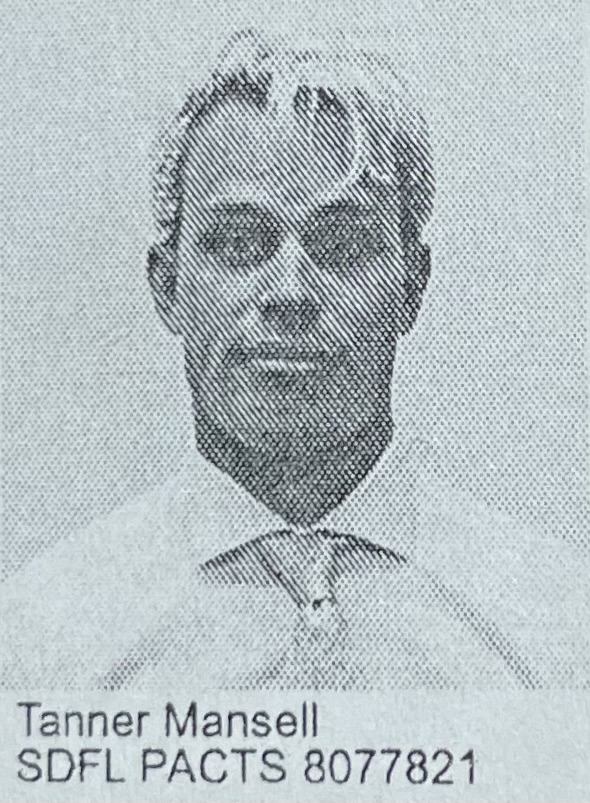
For Tanner, having a felony conviction meant a lot more than losing his voting and Second Amendment rights. He was unable to travel out of the country, essential to the business he had just started hosting trips overseas to places like Mexico and the Maldives.
Between lawyer fees and having no income, Tanner began to spiral financially and mentally.
“It dramatically affected my art and my business,” Tanner said. “I lost that spark I had to be out in the water. It put a lot of pressure on me to have fun in the water and took a lot away from me.”
Eventually, things turned around for Tanner. In May 2025, Tanner and John both received full and unconditional pardons, signed by President Donald Trump. While they never got to speak to the man himself, their convictions were erased.
There are still days when it’s triggering to go out in the water. But Tanner recognizes the whole experience really pushed him to get Tanner Underwater charters to where it is today, allowing him to continue to document marine wildlife and share it with the world.
“It forced me to sink or swim, and in doing so, I was able to swim out of it by starting this business with my brother and two of my best friends,” Tanner said.
Tanner has more than 260,000 followers across his social media platforms, where he shares the photos and videos he captures on shark dives and expeditions in Florida and around the world. Sharing moments most people would only dream (or have nightmares) of – swimming with great white sharks, orcas, whale sharks, marlin, Mola mola… you name it, he’s probably seen it.
“Its so great to be able to bridge that gap and give people that perception shift that I initially had, that sharks aren’t man-eating monsters, they’re actually beautiful creatures,” Tanner said. “I think that feeling of being a steward to the ocean and getting people to be engaged with what’s going on in our oceans is what keeps me going.”