




HOW A CHILDHOOD PASSION TURNED INTO A LIFE ON FLORIDA’S WATERWAYS
By Darien Davies
For most Floridians, the Loxahatchee River is a scenic backdrop where hours are spent paddling, boating, or simply enjoying a sunset. But for Ryan Nitz, it was a classroom that changed his life.
Born and raised in Jupiter, Ryan has spent nearly every day of his life connected to Florida’s coastal waters. Today, he’s known throughout the fishing world as a sought-after charter captain, photographer, conservation advocate, and one of South Florida’s most recognizable snook anglers. And while he now has as many social media followers as snook he’s caught, he started out the old-fashioned way: effort, passion, and determination.
Growing up just a mile from the river, Ryan discovered fishing at an early age. Before he could roam the riverbanks on his own, weekends at his grandmother’s community ponds became his proving grounds.
“I had to have caught every bass in those ponds ten times over,” said Ryan, who fished from sunrise to sunset. “But it slowly perfected my craft.”
Those long days from sunrise to sunset taught him patience, observation, and the fundamentals of fishing. When he eventually turned his attention to saltwater species, he had to slowly apply what he knew about bass fishing to the snook fishing world.
“My dad showed me how to catch a bluegill when I was about ten years old, but I pretty much took it from there,” Ryan said. “Everything I’ve learned has been self-taught.” With the techniques he’d mastered while bass fishing, Ryan began targeting snook in the Loxahatchee River. It was a progression measured not in years, but in inches.
First came the 10-inch snook. Then the 20-inch. Then 30-inch. Eventually, he landed snook exceeding 40 inches. Today, he’s still chasing the elusive 50-incher.
Throughout middle school and high school, nearly every afternoon followed the same routine: get home, grab fishing gear, and head for the water. What began as a hobby gradually evolved into a lifestyle.
Then social media arrived. At first, Ryan wanted nothing to do with it. After all, the glory was in the catch, not the post.
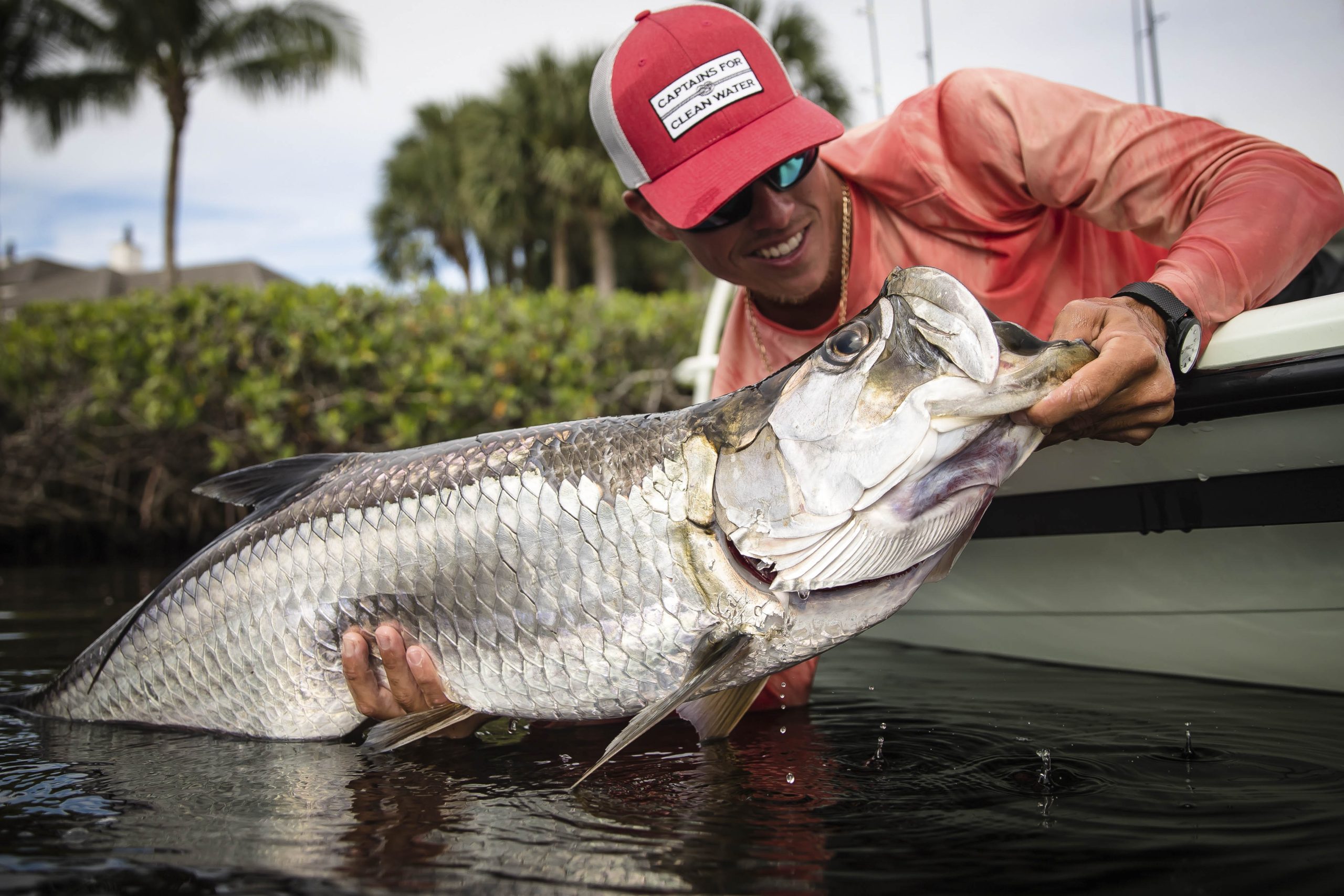
Eventually, he started sharing videos of himself battling giant snook from his plastic canoe with a GoPro strapped to his head, becoming more and more interested in visual storytelling. The footage was raw, and his content quickly found a following because it was authentic.
On days when he wasn’t fishing, he was deep in the woods with a Nikon camera, photographing mature Florida whitetail deer and Osceola turkeys, documenting another side of wild Florida that many residents never experience. The combination of trophy snook and rare wildlife imagery created a unique perspective that resonated with outdoor enthusiasts across the country.
Then came the phone call that changed everything.
One day, Ryan received a call from renowned angler Tom Rowland of the television show Saltwater Experience. For someone who had grown up watching Rowland on television, it felt surreal.
“I couldn’t believe he wanted to fish with me,” Ryan said. “My nerves were through the roof.” The pair spent three days filming an episode on the Loxahatchee River. At the end of filming, Tom handed Ryan the keys to a brand-new skiff and encouraged him to use it for the rest of the summer.
For the first time in his life, Ryan had access to a boat, and what followed was a crash course in exploration. The river he thought he knew suddenly became much larger. Areas inaccessible by canoe opened up, and he spent countless hours learning every corner of the estuary.
When the episode finally aired about a year later, everything changed. Emails poured in from anglers around the world asking if they could book a trip with him.
At the time, he wasn’t even a licensed guide, but the demand was impossible for him to ignore. So he did the only reasonable thing he could think of: quit his pest control job, head to the Coast Guard to earn his charter captain’s license, and officially launch his charter business, no looking back.

“All I had to do was make one post on Instagram letting people know I could legally take them fishing,” Ryan said. “I’ve been fully booked ever since.”
Eight years later, Ryan continues guiding anglers through the waters that shaped his life while also balancing a career in real estate during slower fishing seasons. Beyond the business success, what drives him most is protecting the resource that made it all possible.
Like many lifelong Floridians, he’s witnessed dramatic changes in local waterways.
Rapid development, increasing fishing pressure, habitat loss, and water quality challenges have all affected the ecosystems he grew up exploring. He decided to be part of the solution and uses social media to educate viewers about the beauty and fragility of Florida’s estuaries.
“I try to educate people and show them the value in what we have before it’s gone,” Ryan said.
His conservation efforts have connected him with numerous advocates throughout the state, including Captains For Clean Water founder Chris Whitman. The non-profit organization works to restore and protect Florida’s aquatic ecosystems and address long-standing water management challenges affecting the Everglades and coastal estuaries.
For Ryan, conservation isn’t a trend. It’s a responsibility. He believes that the fish, wildlife, and waterways that built his career deserve protection for future generations.
That same mindset extends to the fishing community itself. Over the years, he’s built friendships with other self-made outdoor professionals, including acclaimed fishing photographer Justin Hodge, whose work eventually landed Ryan on the cover of Salt Water Sportsman magazine.
For those who spend time on the water, his journey shows that sometimes the best stories are found just down the street, in the river you grew up fishing. And they’re worth fighting for.
Ryan Nitz’s Five Tips for Catching Monster Snook
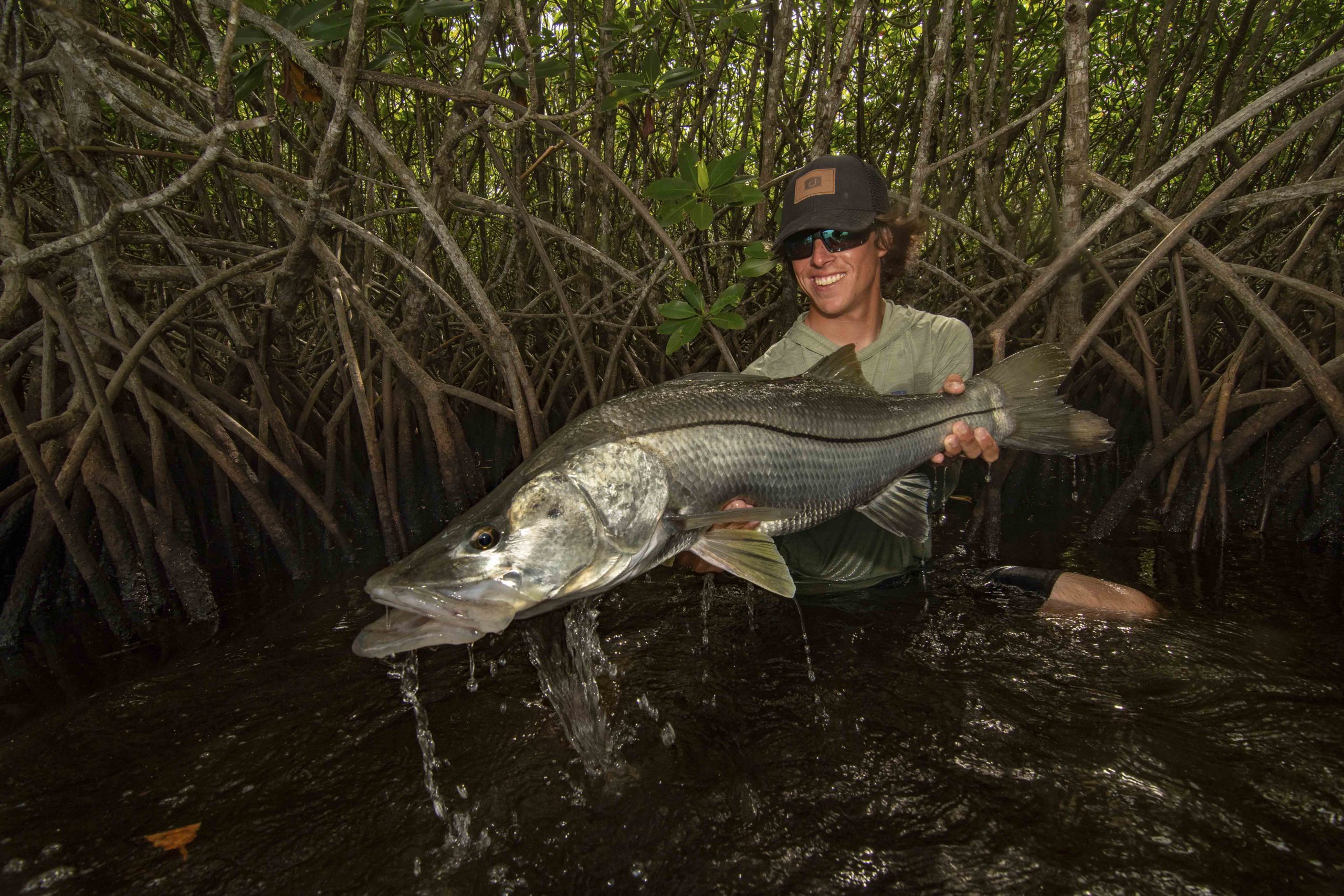
1. Find Moving Water
Snook thrive in areas with strong current flow. They like to move in and out and utilize the current when deciding how they want to ambush prey.
2. Fish the Heat
Big summer snook love jacuzzi-hot warm water. Some of the best action occurs when water temperatures reach a steamy 88 to 91 degrees.
3. Use Heavy Fluorocarbon Leader
A 40- to 60-pound fluorocarbon leader is ideal. These fish are smart and have rough mouths that can cut through lighter leaders.
4. Fresh Bait Wins, but Soft Plastics Work, Too
Live bait remains the gold standard, but modern soft plastic lures have become incredibly effective. JYG Pro and NLBN are some great choices.
5. Choose Circle Hooks
These fish are under enough pressure. It’s important to use circle hooks, especially when using dead bait, to ensure the snook has the best chance of survival.